
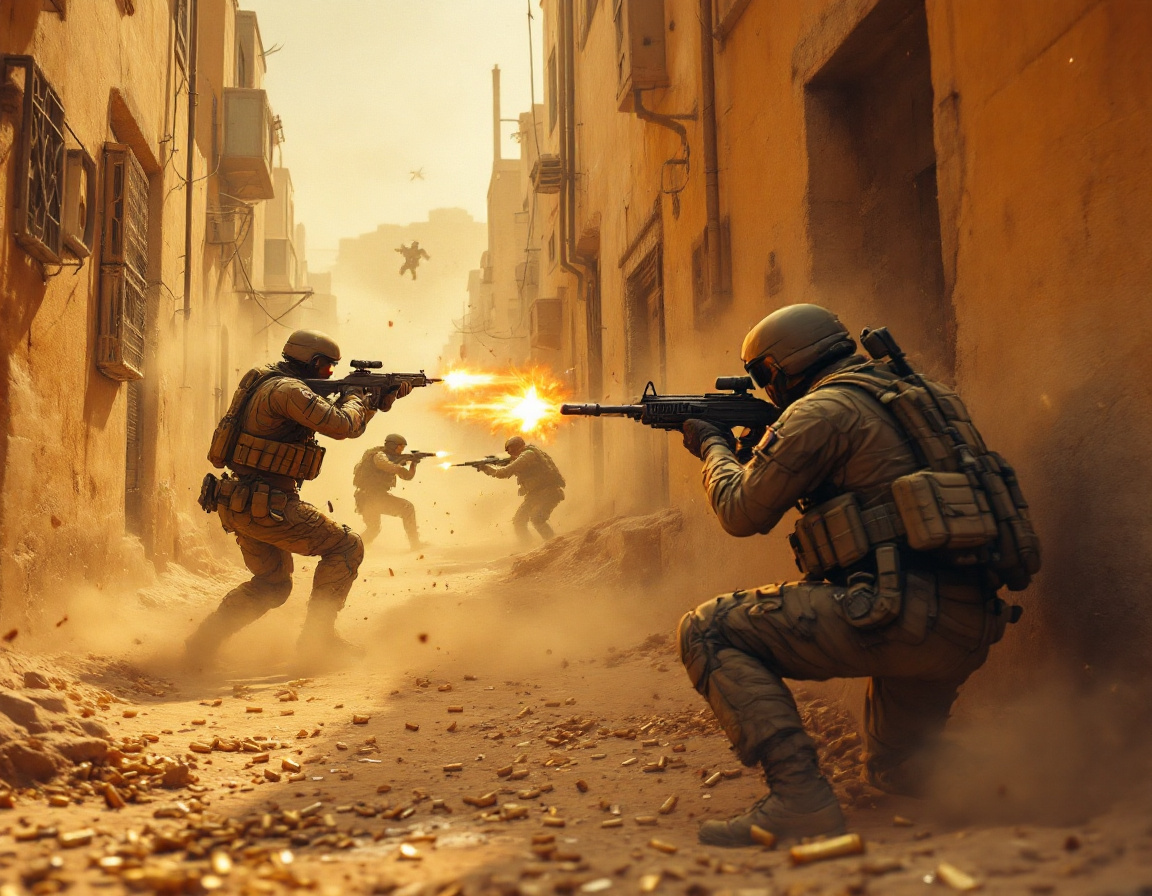
Playable
Team deathmatch
Five against five. Your four squadmates are bots, so are the other side's, and the first team to forty kills takes it. Eight minutes on the clock.
Team size5 v 5
Score limit40
Time limit8 min
Respawn5 s

County Stood runs on WebGL2 at a locked 60Hz simulation. There is no launcher, no patch day, and no 40GB download. You click a link and you are in a firefight about ten seconds later.
Every design decision serves one number: the time between opening the link and taking your first shot. That is why the whole game is a static site, why the assets are Draco compressed, and why the decoder ships with the game instead of coming from a CDN.
No store page, no installer, no account wall. The URL is the game.
Geometry, textures and the bot navigation graph load together, then validate before the match starts.
One click captures the mouse. WASD, C to crouch, right mouse to aim. Nothing to configure first.
Match rules live in a config file, not in code. Team size, score limit, respawn delay and the length of the buy window are all data, which is why they change between playtests instead of between releases.
Five against five. Your four squadmates are bots, so are the other side's, and the first team to forty kills takes it. Eight minutes on the clock.
No team, nobody to shoot by mistake, twenty five kills to win. The fastest way to learn a weapon.
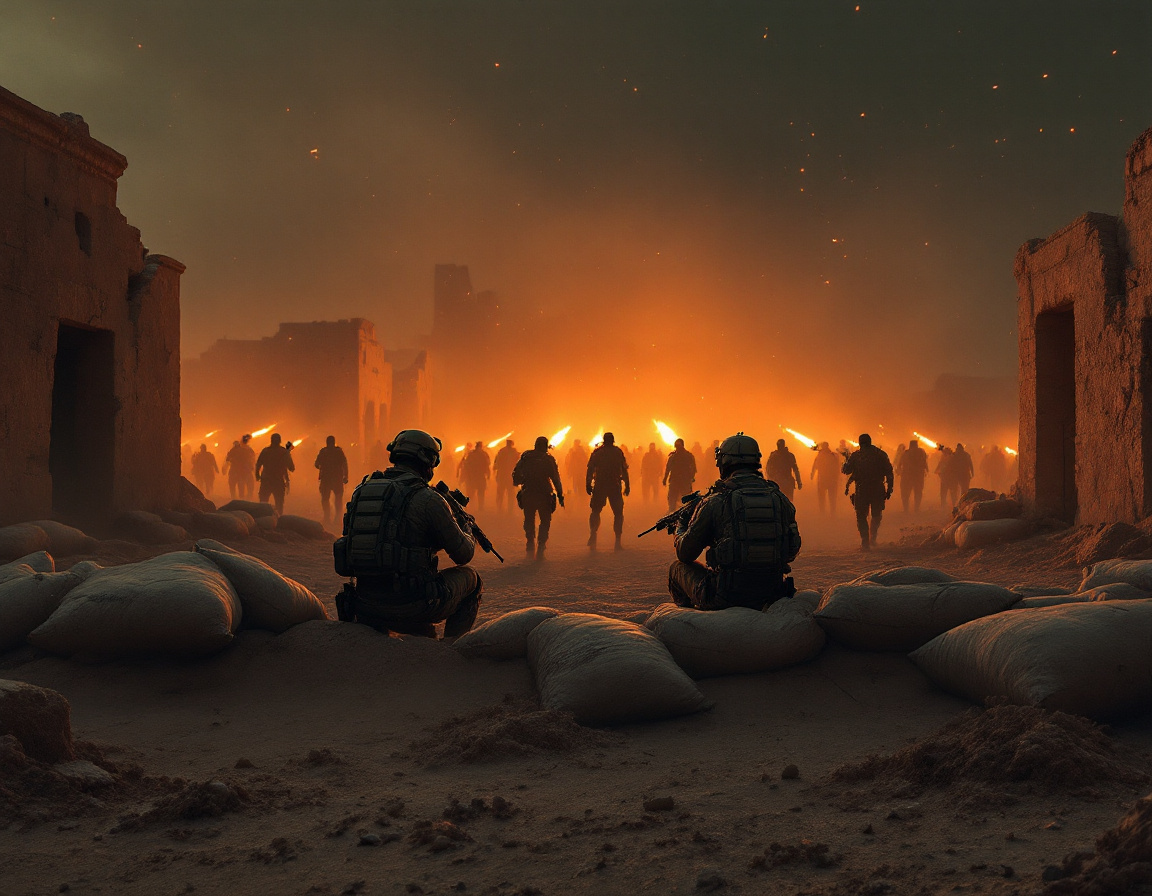
Hold a position against waves that keep coming. Money carries between waves, and so does whatever you failed to spend it on.
Online multiplayer is in public test. Make a room or pick one from the public list, choose your map and your side, and start — the empty slots are held by bots until humans take them. The room runs on an authoritative server that ticks the same sixty-times-a-second simulation the browser runs.
Every room in the list shows its map, its occupancy and who is waiting in the lobby. Join one, pick a team, and the countdown starts when the host starts it.
A match does not wait for sixteen people. Bots fill the empty roster slots, and the rules stay the same when a human takes one over.
Hits, scores and the scoreboard live on the server, which runs the same simulation package the game ships. No player's client gets the final word.
In active testing: invite links, reconnecting after a drop, and per-room settings are still being built.
Standing, crouching and going prone change your speed, your silhouette and your spread at the same time. Dropping prone cuts your cone of fire in half and cuts your speed to a fifth. The trade is the decision.
| Speed | Height | Spread | |
|---|---|---|---|
| Stand | 4.6 m/s | 1.80 m | ×1.00 |
| Crouch | 2.2 m/s | 1.20 m | ×0.75 |
| Prone | 1.0 m/s | 0.70 m | ×0.50 |
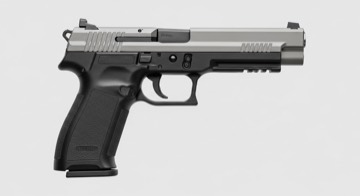
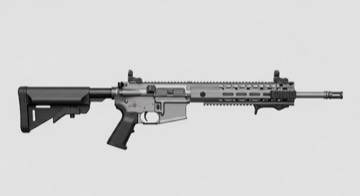
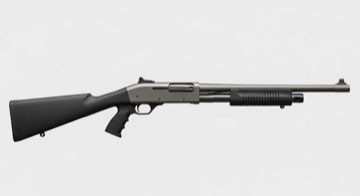
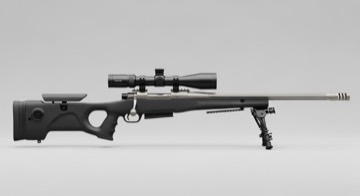
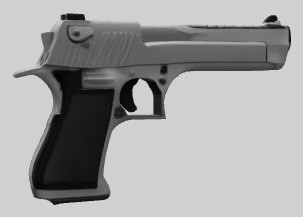
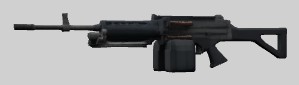
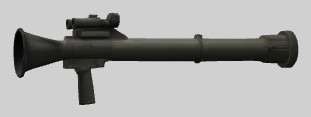
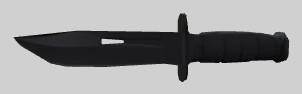
Each weapon carries four numbers that fight each other: damage, recoil, weight and price. A heavier gun walks slower and draws slower. An expensive gun costs you the round you die holding it.
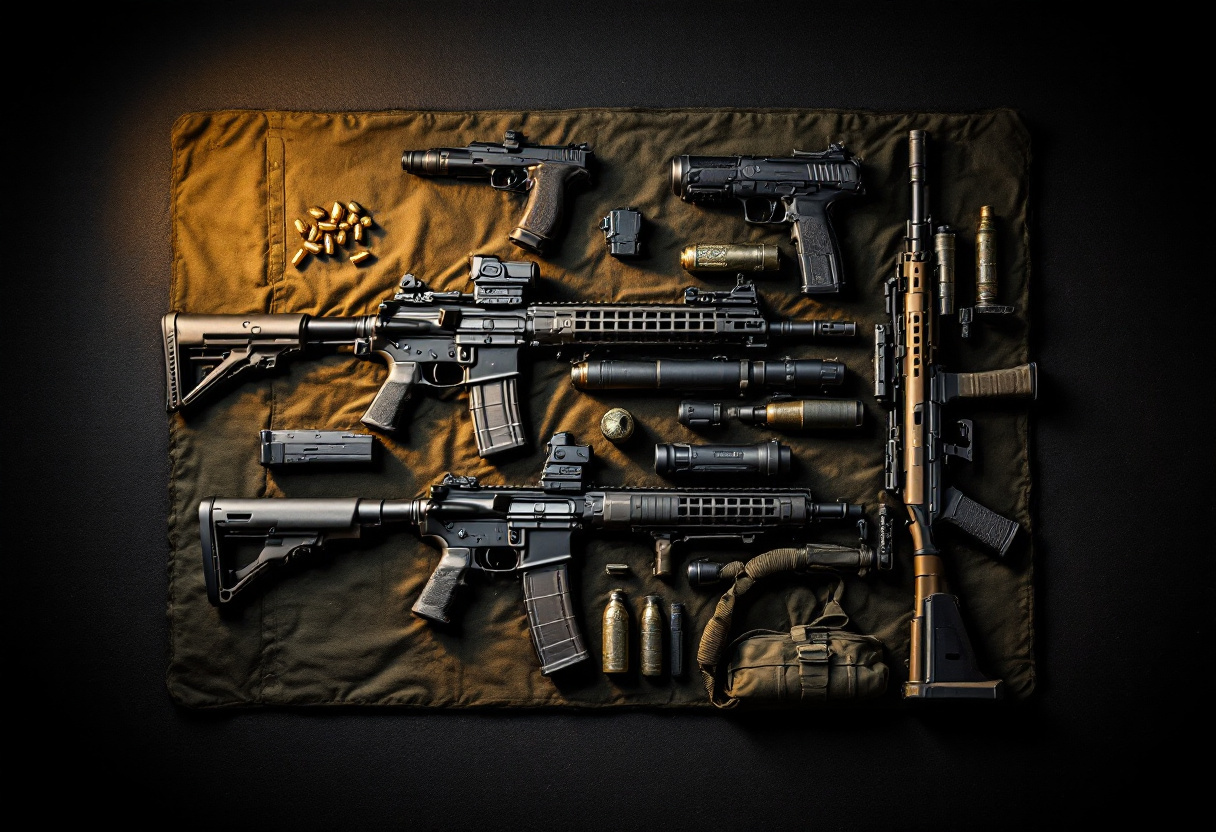
Sidearm
Rifle
Shotgun
Marksman
SMG
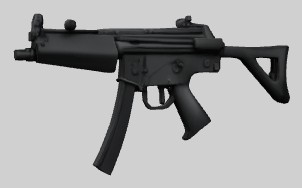
Rifle
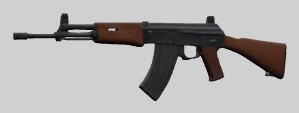
Rifle
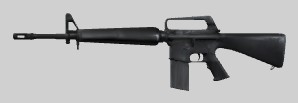
Rifle
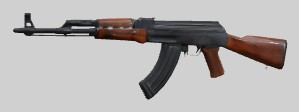
Sidearm
Machine gun
Launcher
Melee
Perception runs on a shared six tick cadence, so every bot re-evaluates ten times a second whether there are three of them or ten. Difficulty comes from reaction time and accuracy, never from how many bodies are in the room.
| Accuracy | Reaction | Bounty | |
|---|---|---|---|
| Recruit | 35% | 450 ms | $400 |
| Regular | 60% | 280 ms | $600 |
| Veteran | 78% | 200 ms | $800 |

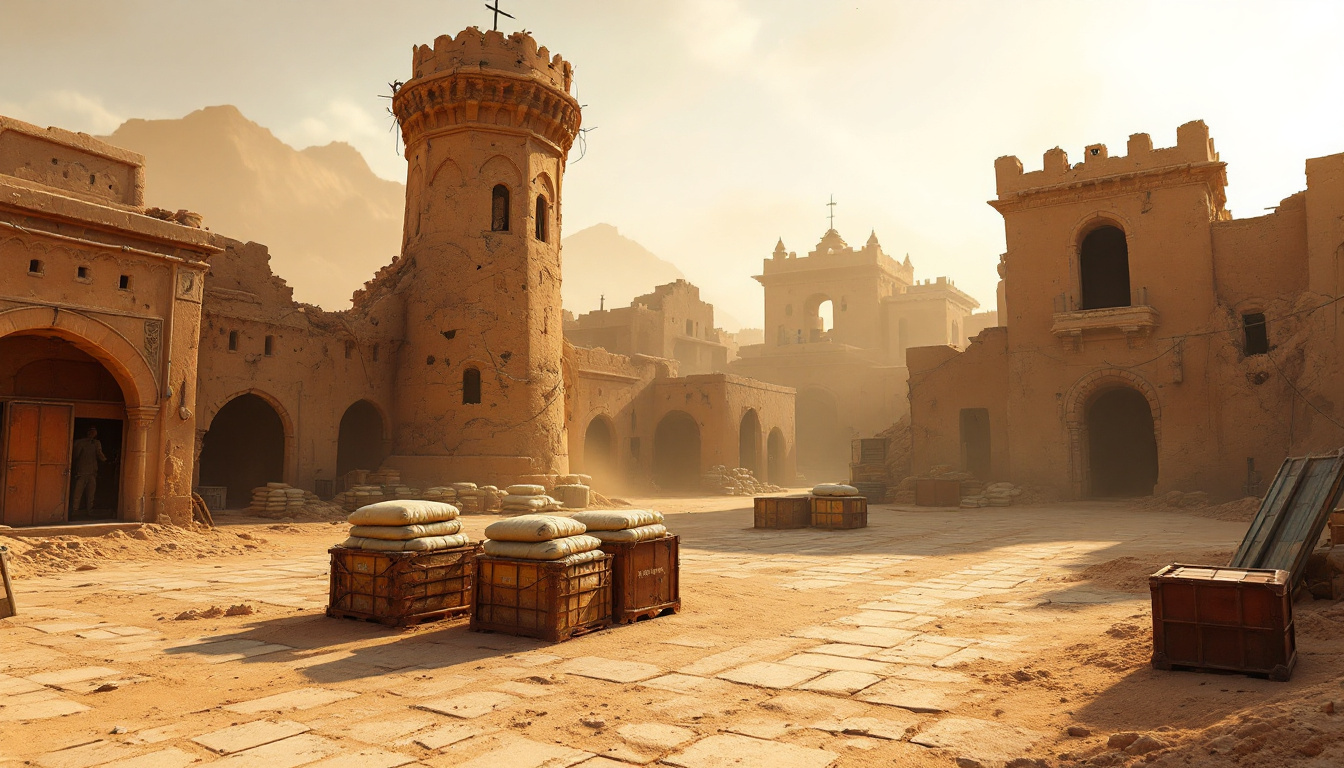
Desert Town is laid out the way a competitive map is laid out: a long lane, a short lane, and a contested middle you have to cross to reach either. Cover is placed in metres, not by eye.
 38m47m
Clay walls, a collapsed tower and a square you cannot avoid crossing. Long sightlines on the outside lanes, short brutal corners through the arches.
Everything here is in the build you can play today, except where marked. Nothing on this list is a promise — it is either shipped, or labelled honestly.

Nothing to install, nothing to sign up for. Bring a mouse.
One point per shot, in firing order. Vertical and horizontal offset in degrees, before per-tick decay. Origin is your crosshair.